Eric Sanchez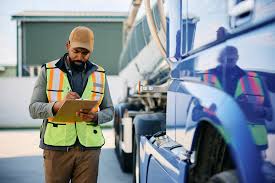
Well-maintained trucks are safer to drive and have a reduced risk of getting involved in road accidents. Brake failure, faulty lights, and tire blowouts are common causes of accidents involving heavy trucks. However, with proper truck inspection, it is possible to increase road safety.
Explore the different aspects of truck inspections that increase road safety.
1. Braking System Inspection
Regular truck inspection includes braking system checks. This helps maintain braking reliability and prevent potential road accidents.
A brake system check involves the following steps:
- Inspecting Brake Pads: Your mechanic will check the brake system for wear and tear. Worn-down brake pads will be replaced to ensure reliable stopping power.
- Checking Brake Fluid: The inspection also involves checking the brake fluid level and any signs of contamination.
- Testing Brake Lines: The brake lines will be inspected for any cracks or leaks. If the lines are damaged, the brakes can fail.
Your mechanic will also test the braking system’s response and check the air brake system’s integrity.
2. Fluid Levels Check
Regular fluid inspection plays a crucial role in increasing road safety. It is important to check the different fluid levels to ensure your truck runs smoothly and reliably. The most important fluid level inspections that increase road safety include:
- Engine Oil: Maintaining engine oil levels helps lubricate and protect your truck’s engine.
- Brake Fluid: When brake fluid is maintained, it prevents brake failure.
- Coolant: Keeping coolant at the right level can prevent engine overheating and potential damage.
- Transmission Fluid: Timely inspection and top-up ensure smooth transmission changes. Better control over the truck’s power translates into increased safety.
3. Inspecting Tire Condition
Tires are the components that bring your truck in contact with the road. So, ensuring their good condition has a big impact on your safety. A typical truck inspection routine involves checking the tire tread. Proper tread depth ensures effective traction, increasing safety.
A tire inspection also involves checking the tire pressure. Under-inflation can increase wear and cause handling issues. Over-inflation can increase the risk of blowouts. By ensuring proper pressure, you will be reducing the chances of these issues occurring on the road. Truck technicians can also look for sidewall damage.
4. Suspension & Steering Inspection
Truck inspection also involves checking the suspension and steering systems. Your mechanic can inspect the condition of the following components:
- Shocks
- Power steering system
- Axles
- Leaf springs
A properly working steering system helps avoid instability while driving, thus reducing the risk of accidents.
5. Lighting & Electrical Inspection
Defective lights significantly increase the chances of road accidents. Inspections involve checking:
- Headlights
- Turn signals
- Brake lights
- Reflectors
The technician can also inspect the condition of the wiring and battery. Timely inspection can help prevent electrical system failures.
Ensuring Compliance
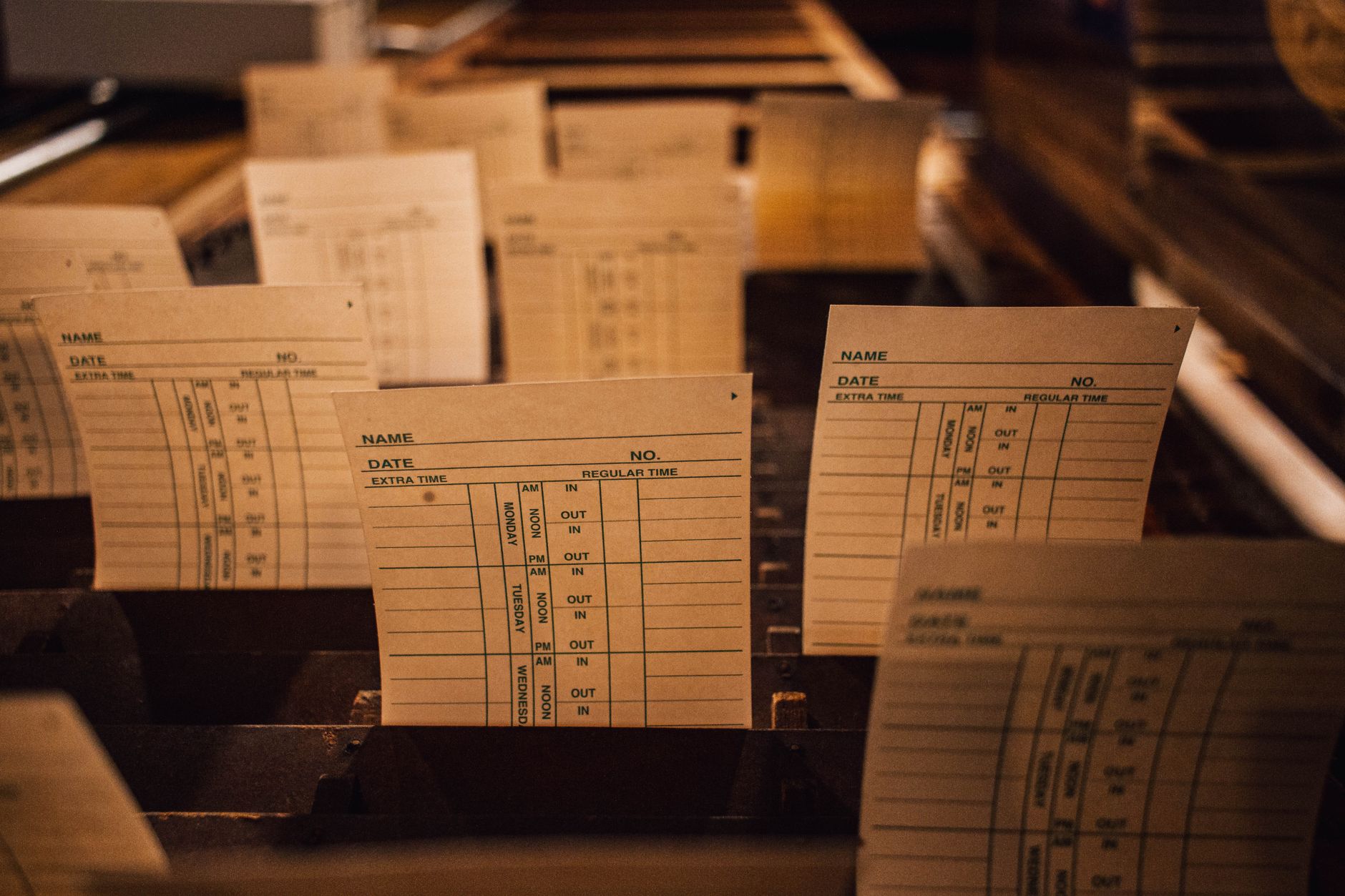
Regular inspections, besides increasing road safety, also help you meet compliance requirements. Compliance helps avoid penalties and fines. Regulations require you to maintain inspection records, which are an important part of managing a business that relies on truck operation. When you have detailed inspection and maintenance records, you can ensure compliance during official inspections and audits.
Ensuring Driver & Public Safety
When you ensure regular truck inspection, you can identify existing and potential problems before they contribute to accidents. Inspecting the tires, brakes, lights, transmission, and other systems on a timely basis ensures your truck is safe to operate. Well-maintained trucks are not only safe for the driver but also for others on the road. You will not have to worry about malfunctioning systems creating hazardous situations.
Thus, truck inspections play a big role in creating safer conditions for everyone. Thus, it is more than a requirement to comply with the regulations. Ensuring driver and public safety also helps protect your business from potential legal hassles.

 Jack
Jack